
Company profile
Automatically translated with DeepL.
在金属和过滤领域拥有40余年的专业经验。
Nick将研发与问题解决能力、制造质量及可靠性融为一体。由此打造出涵盖所有标准尺寸的完整不锈钢腔式滤板系列,专用于压力过滤,其应用场景始于传统聚丙烯腔式滤板在技术上已无法满足需求之处。
“Made by Nick”® 腔式滤板的专利设计,造就了轻量化的不锈钢滤板,其在化学、机械和热稳定性方面均远优于传统的聚丙烯滤板。该系列滤板提供开放式和封闭式两种设计。 可选用多种不锈钢作为制造材料,例如 DIN 1.4301(AISI 304),以及 DIN 1.4539(AISI 904L)等高合金不锈钢。 这种轻质不锈钢滤板也可替代铸铁制成的腔室滤板。它既可作为原始设备使用,也可用于替换现有运行中的过滤系统/压滤机。由于设计优化,其处理能力通常会得到提升,且与聚丙烯滤板相比,压降可降低多达30%。 此外,我们的室式过滤板可选配温度控制功能,温度范围从低于10°C至高于100°C,非常适合生物、食品和制药工艺,以及湿法冶金应用。同时,工艺压力可高达50 bar (g)。 所有常见的编织过滤介质以及烧结金属网均可使用。我们是您值得信赖的专家合作伙伴,特别是在无法通过传统方法解决的特殊过滤需求方面。Nick® 提供现代压滤机中安装所需的必要不锈钢工艺解决方案。
Product areas 10
Industries
What's new 1
World first temperature controlled lightweight filter plate
The Nick® lightweight stainless-steel chamber Filterplate offers outstanding advantage beyond and above the material properties of polypropylene. The lightweight stainless plate can be easily installed as retrofit into existing systems-/chamber filter-presses. Also to replace heavy cast iron filter plates or expensive plate and frame solutions. This is often accompanied by capacity increases due to optimized design and up to 30% lower pressure loss compared to polypropylene filter plates. Same time, process pressure applied can be as high as 50 bar (g), while all common woven filter media can be used, as well as sintered metal mesh.
The ultimate process highlight, is the optional temperature-controlled option from below 10° C up to above 100° C. Ideally for Bio- and Food and Pharmaceutical processes, as well as for Hydrometallurgical applications.
The patented Stanik design enables the possibility to combine a light weight structure with the superior characteristics of stainless steel to meet the increasing requirements of modern filtration. Major benefits are the outstanding properties of stainless steel such as very good strength, chemical resistance, food safety and high temperature stability.
This design allows, in addition to pure material separation, the integration of further work steps such as washing, drying or heating and cooling into the filter press. Boundaries of what is possible in pressure filtration are removed. Filtration processes that were previously not feasible due to the plate restrictions can now be realized with existing system technology.
Images 3
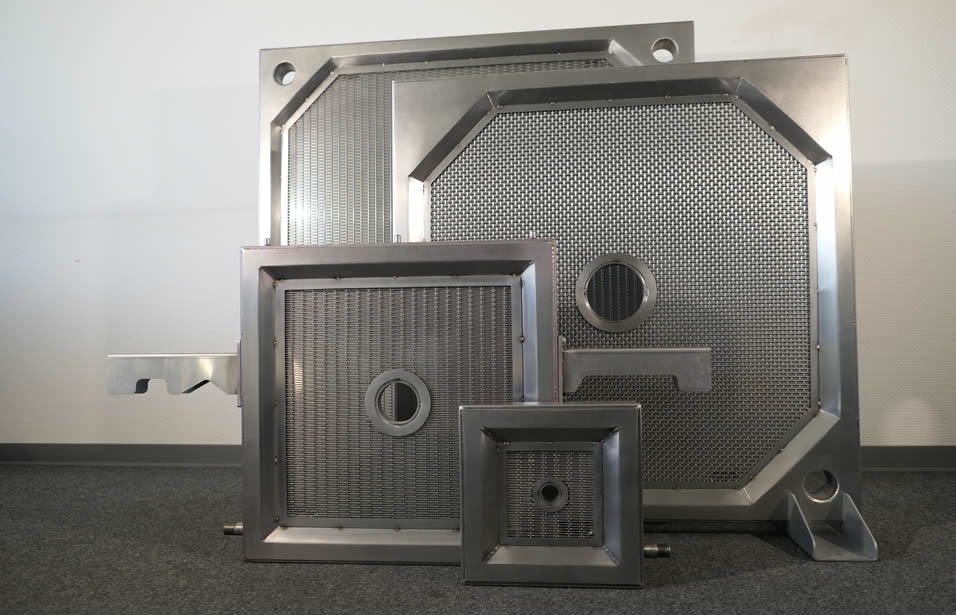
World first temperature controlled lightweight filter plate
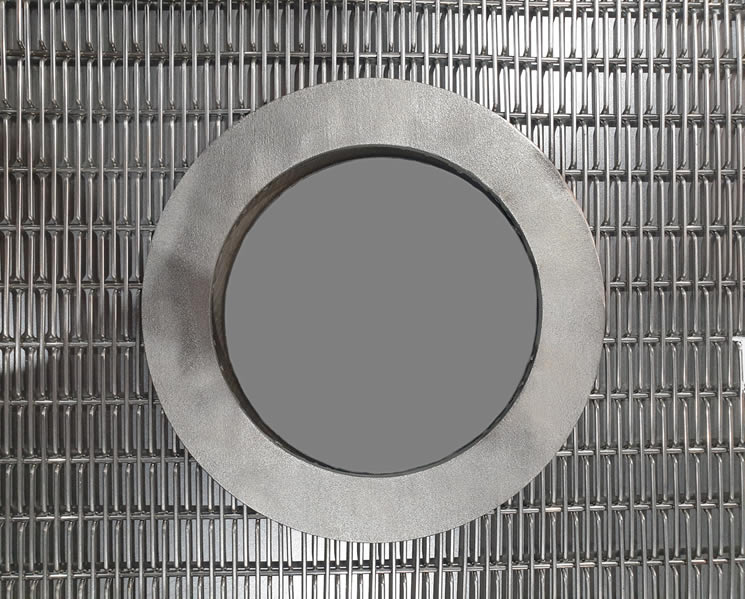
With the protected design of the stainless steel chamber plate, the metal construction professional offers a light- weight solution going far beyond the standards of conventional chamber filter plates in terms of chemical, mechanical, thermal stability
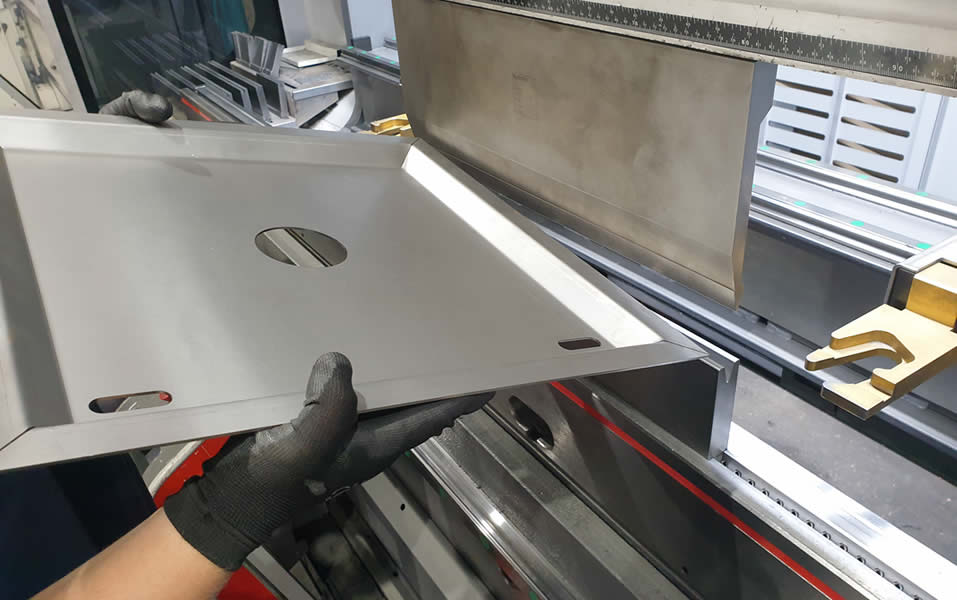
Plates for the chamber filter being bent. / Platten für den Kammerfilter beim Abkanten